

Brush Industry Launches Environmental Protection Initiatives to Reduce Bristle Waste
Brush Industry Leads Sustainability: New Initiatives to Cut Bristle Waste
The global brush industry, a cornerstone of beauty, personal care, and industrial sectors, is stepping up its commitment to sustainability with a wave of environmental initiatives aimed at reducing bristle waste. As demand for high-quality brushes—from makeup tools to industrial applicators—continues to rise, the industry is confronting a critical challenge: the significant waste generated during bristle production, processing, and disposal. Traditional practices, such as discarding off-cut bristles, low-quality filaments, and end-of-life brush heads, have long contributed to landfill pressure and resource depletion. Now, manufacturers, researchers, and industry bodies are joining forces to turn the tide.
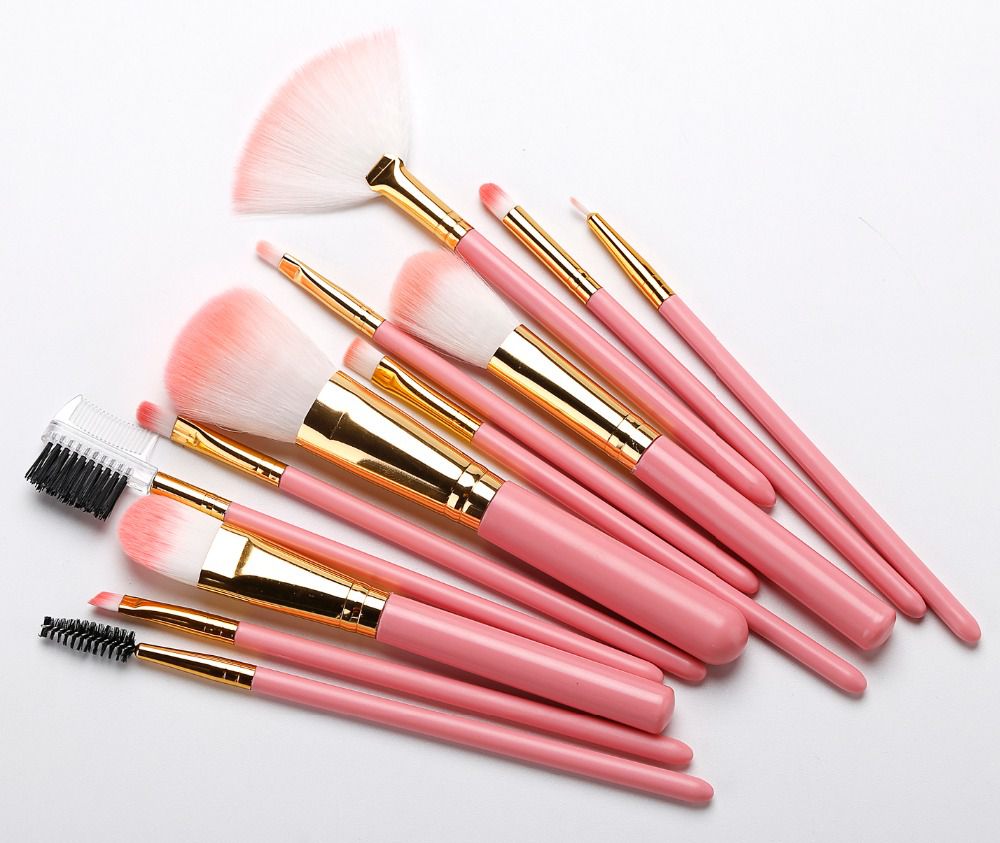
At the heart of the problem lies bristle production itself. Whether made from synthetic materials like nylon or natural fibers such as animal hair, bristle manufacturing involves cutting, sorting, and quality control steps that generate substantial waste. For example, synthetic bristle extrusion often results in off-cuts that are too short or irregular for use, while natural bristle sorting discards fibers that fail to meet length, thickness, or flexibility standards. Historically, much of this waste was incinerated or sent to landfills, releasing greenhouse gases or persisting as non-biodegradable debris.
To address this, leading brush producers are pioneering circular economy models. One key initiative is bristle recycling programs. Companies like EcoBristle Tech, a major刷丝 manufacturer, have introduced closed-loop systems where production waste—including off-cuts and rejected filaments—is collected, cleaned, and reprocessed into lower-grade bristle materials. These recycled bristles are then used in applications with less stringent quality requirements, such as industrial brushes for cleaning or pet grooming tools. Early data shows such systems can reduce bristle waste by up to 35% in pilot facilities, while also lowering raw material costs by 20%.
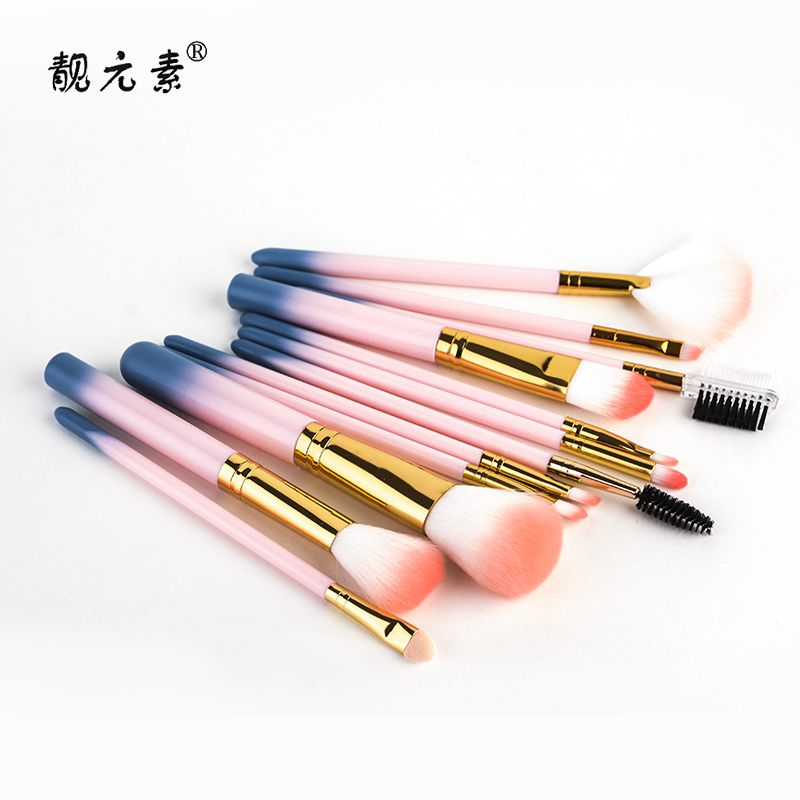
Beyond recycling, the industry is investing in precision manufacturing to minimize waste at the source. Advanced cutting technologies, such as laser-guided trimming and computer numerical control (CNC) systems, are replacing manual processes, ensuring bristle lengths are uniform and reducing off-cuts by up to 40%. AI-powered quality control tools are also making an impact: machine vision systems can now sort bristles with 99.8% accuracy, identifying and repurposing marginally flawed fibers that would previously be discarded.
Innovation in materials is another front in the battle against waste. Biodegradable bristle alternatives are gaining traction, with brands exploring plant-based fibers like bamboo, sugarcane, and even mushroom mycelium. These materials decompose naturally at the end of a brush’s life, eliminating long-term landfill waste. While early versions faced challenges with durability and flexibility, recent breakthroughs—such as blending plant fibers with biodegradable polymers—have yielded bristles that match synthetic counterparts in performance. For instance, a leading makeup brush brand recently launched a line using sugarcane-based bristles, which biodegrade in soil within 18 months, compared to nylon’s 500+ years.
Collaboration across the supply chain is proving crucial. Industry consortia, such as the Sustainable Brush Alliance, are uniting manufacturers, raw material suppliers, and retailers to standardize waste reduction practices. Members share best practices for bristle collection, invest in joint recycling facilities, and educate consumers on proper brush disposal—encouraging them to return old brushes for bristle recovery instead of throwing them away. Retailers, too, are playing a role, with some offering discounts on new brushes when customers return used ones, creating incentives for circular behavior.
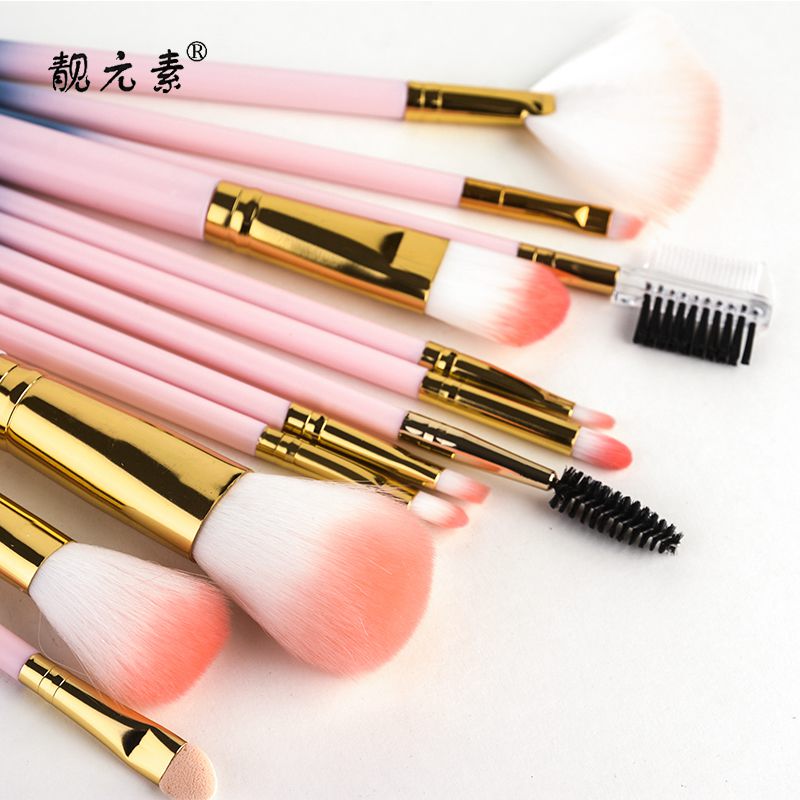
The shift toward sustainability is not just an environmental imperative; it also aligns with consumer demand. A 2024 survey by Beauty Industry Insights found that 72% of global consumers prioritize brands with eco-friendly practices, and 65% are willing to pay a premium for sustainable brush products. This market pressure is driving even smaller manufacturers to adopt green initiatives, ensuring the movement scales beyond industry giants.
Challenges remain, of course. Biodegradable materials still face higher production costs, and recycling infrastructure for bristle waste is not yet globally accessible. However, as technology advances and economies of scale kick in, these barriers are expected to diminish. Looking ahead, the industry’s goal is clear: to halve bristle waste by 2030 through a combination of recycling, precision manufacturing, and sustainable materials.
In essence, the brush industry’s environmental initiatives represent a win-win: reducing ecological impact while fostering innovation and meeting consumer expectations. By reimagining how bristles are made, used, and reused, the sector is proving that sustainability and profitability can go hand in hand—one brush stroke at a time.


